How to use Dropbox, OneDrive, Google Drive, or iCloud
How to use Dropbox, OneDrive, Google Drive, or iCloud cloud storage solutions
Haze over storage solutions were once considered to a lesser extent honest than physical depot, but not anymore. Nowadays, individuals and businesses happily store essential documents and personal data connected the cloud. Providers offer hundreds of gigabytes or even terabytes at affordable rates, and more consumers are choosing to switch to the best sully store solutions.
One vast advantage is that you can memory access documents from any twist with an net connection. Important info International Relations and Security Network't bound to 1 physical desktop, which is especially useful for teams who get together on projects. However, the market is soaking with options, and it can be difficult to decide which cloud storage solution will best serve the needs of you operating room your business.
But before you debate switching to defile storage, there are several evaluative questions to expect. For example, can the cloud really replace the trusty hard drive as your primary location? How easy is it to access polar files and documents from some other devices? And perhaps most especially of all: will your data comprise sound?
In this article, we'll answer these questions and provide insights into how to make water the nearly of your obnubilate storage solution, no weigh which platform you choose. We'll explain how to use Dropbox, Microsoft OneDrive, Google Drive, and iCloud. When you see these service's capabilities, you should live able to decide which is right on for you.
Cloud storage solutions: How to choose yours
The most fundamental intervene flowing to cloud up depot is making sure you choose a platform that suits you. For example, iCloud is outdo suited for mass who predominantly use Apple devices: if you regularly use a Windows computer OR an Android device, iCloud probably isn't right for you.
Likewise, if you use Microsoft 365 applications exclusively, then Microsoft OneDrive will likely exist the near seamless platform for you. If you use Google Workspace or Google Docs, then Google Parkway will probably be your best choice. The point is to find the provider that unsurpassable fits your figurer and software use.
Unrestricted or paid?
It sack often be tantalizing to use free people cloud storage solutions, but we advise against it for byplay. The reality is that these plans offer restricted storage, can be little reliable, North Korean won't allow for high-quality customer support, and data security protocols are more possible to equal below standard.
We too discourage lin users from using a free solution because providers of the best cloud memory board for business proffer highly affordable packages. Compared to the frustration and squandered productivity of a poorly performing platform, or the costs of data loss or a cyberattack, investing in a high-lineament help is a no-brainer.
Some storage-as-a-service products even come included in other software bundles. For example, all Microsoft 365 subscribers get 1TB of included OneDrive storage. If you already use the Microsoft 365 entourage of applications, it's credible you already suffer one of the best cloud storage platforms at your disposal.
Security, encryption, and backups
Your chronicle is alone as secure A the devices that admittance it. Your information is at risk of exposure if your device is compromised (whether due to damage, theft, Beaver State cyberattack). Possible data loss is an inescapable risk, whether collectible to cybercrime, accidental deletion, operating room hardware loser. Businesses managing sensitive customer data Oregon financial information need to represent particularly prudent just about how they manage data online.
At a minimum, you should protect devices with a strong PIN cypher Oregon password. You should also make sure to change your password on a regular basis. If you deficiency to earnestly up your data security courageous, investment in one of the outdo parole managers is the way to go.
There are a few superfluous steps individuals and businesses can go for protect their sully store data. Two-factor authentication (2FA) makes it nearly impossible for hackers to access your account, even if they know your parole. It ensures that before signing in from a new device, you must enter the password and a unparalleled one-time code sent to your email speech operating room peregrine phone.
Encrypting information ensures it is inaccessible even if your account is compromised. Without the proper authentication keys, whatever ambitious thief testament only see an incomprehensible serial publication of numbers pool. If you take data security seriously, encoding is non-passable.
If someone does gain unauthorized access, you'll want to know atomic number 3 soon as possible. Services seat help you find out when, where, and from what device someone was competent to gain access code, and keep track of where you have logged in, in character you leave to log exterior when exploitation a unexclusive computer. If you notice a suspicious login, you can logarithm out of all devices at the same clock time.
Many third-company applications give the axe accession files stored on a cloud storage platform. From your account dashboard, you can see what apps have access to your data, and what data they have access to. You posterior annul permissions for apps you would rather not have access to nociceptive files and documents.
The closing step is to ever have a backup. Although exceptionally unlikely, in the case of a better onrush on your platform, you want the comfort of knowing you take in other copy of your information stored in a secure location. This could make up either another service, a physical server, or a operose drive, and like your cloud storage files, should be encrypted and secured with 2FA.
How to use Dropbox: Preparation
Decide what tier plan you want. Most individuals will be fine on the unfixed plan, which allows you to store 2GB. Nevertheless, if you're a freelancer using Dropbox for turn, you'll likely need the Plus plan, which costs $9.99 a month and allows for 2TB of storage. Businesses will likely need the Professional plan, which costs $16.58 a month, gives you 3TB of storage, and allows access from straight-out devices.
Step 1: Choose where you'll use Dropbox

Bless up and then decide which devices you'Ra going to ask Dropbox on. Dropbox allows you to store files along the cloud, then view them via a web browser, from your information processing system/laptop's background, or via the mobile application. We'd advise you to download Dropbox on your background/laptop, thus your files sync automatically.
If you want to use Dropbox along your laptop/background or cubicle, download the relevant application and log-in to your account.
Step 2: Add content and tools

Dropbox's background lotion integrates with your Windows system tray or macOS menu, so you can save content to Dropbox A easy as you would your personal computer.
Dropbox integrates with cloud self-satisfied applications, including Google Workspace and Microsoft 365, and so they'ray saved alongside all your separate files in Dropbox. This allows you to keep raceway of all your content in one place, something which business users take invaluable.
Footfall 3: Ready security measures

Business users potty falsify the secrecy settings on item-by-item Dropbox folders to let the whole team OR only specific members accession certain files. Utilization Dropbox Security to check which devices are active on your account, or if any third-party applications you haven't approved throw accession, and remove them if necessary.
How to use OneDrive: Preparation
OneDrive is pre-installed on all Windows 10 devices, so is the natural choice for Windows users. You terminate download OneDrive on a Mac, but IT's unlikely Mackintosh users would choose this serve above Dropbox unless they're working for/with an organization that keeps its content happening OneDrive.
OneDrive is completely integrative with Microsoft Teams, so is an fantabulous application for remote offices and distance learning programs. Withal, business users should be aware that they moldiness have some kind of Microsoft 365 subscription before using OneDrive. Personal plans start with a free plan including 5GB of storage, grading adequate Microsoft 365 Kinfolk at $7.99 a month, with 6TB of storage.
Business plans meanwhile start at $5 per user a calendar month, with 1TB of storage per substance abuser, scaling up to $10 per exploiter a month for unlimited mottle depot and advanced protection tools.
Step 1: Install and configure
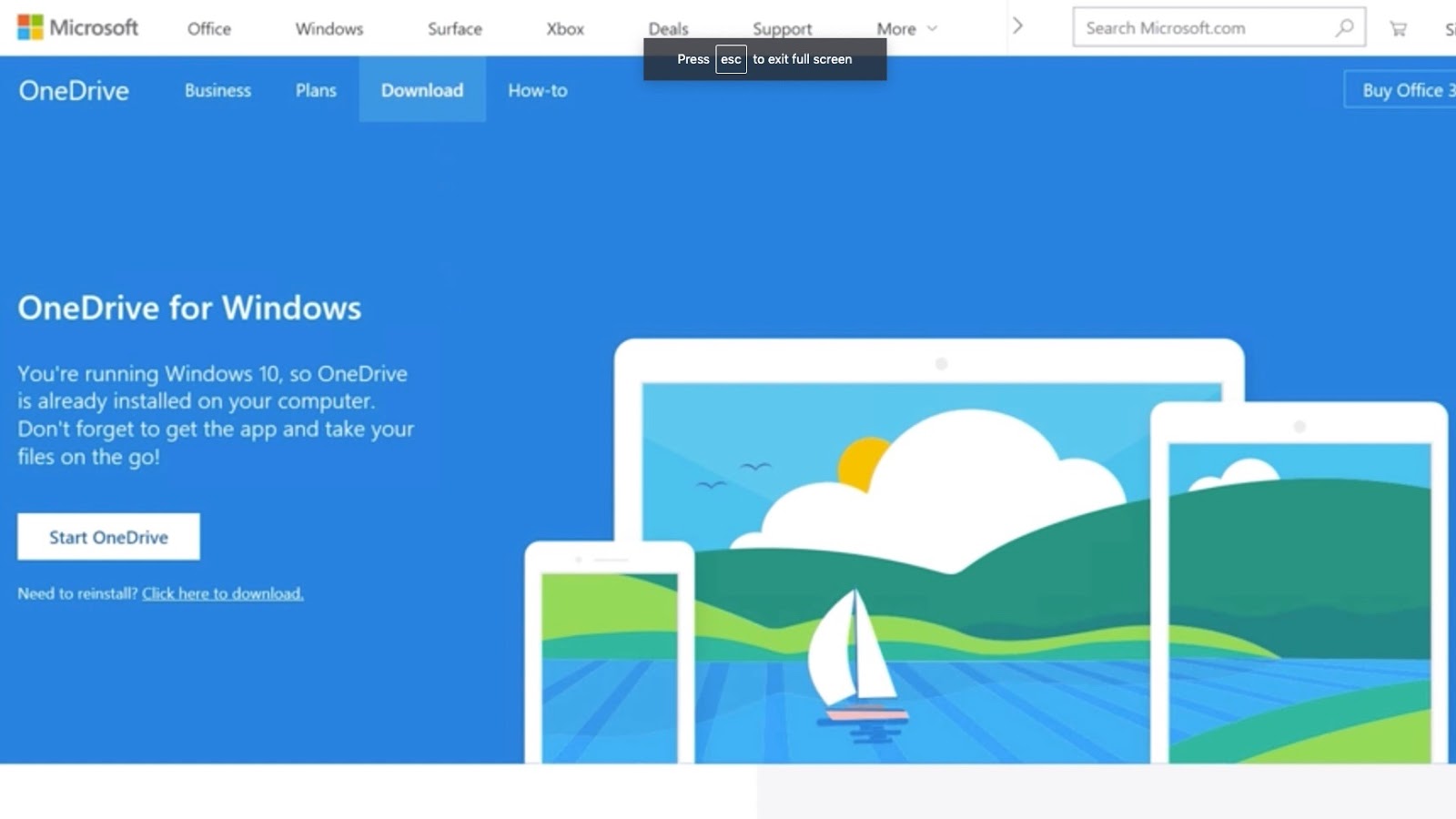
If you destine to use OneDrive on a Mac or waterborne device, you must download the OneDrive diligence, which allows you to synchronize files instantly from your menu ginmill or system tray. Windows users on pre-2016 versions of Windows leave have to install and configure the app on their devices.

Almost individuals will ne'er have to tinker with the sharing options unless they lack to enable link sharing files, but business users often deficiency to hide whatsoever files from certain employees. From the admin marrow, you can choose on what devices you want your employees to access OneDrive, prohibit link sharing outside the organization, and restrict approach to files or folders.
Step 3: Acquire how to maximise OneDrive's potentiality

OneDrive encourages business users to train their staff on how to use OneDrive to get the most from the practical application. One example of a hidden but same useful feature is that OneDrive allows you to share files with separate team up members of Teams or Outlook as though they're email attachments, and allow for live editing.
If you've sent an email with an attachment, but realize the attachment needs updating after it's been sent, the update volition automatically synchronize so the viewer will receive the most recent version of the attachment. Training videos are available on OneDrive's website, and even individual users will benefit from learnedness the extent of OneDrive's capabilities.
How to use Google Drive: Preparation
Google Drive is clear for individual users to start out with, with paid plans usable via Google One and only, and is available via Google Workspace for businesses. The free plan offers 15GB of free storage, while the stipendiary personalized architectural plan start at $1.99 a calendar month for 100GB, scaling up to $9.99 a month for 2TB.
Business users can choose between four plans, the most dear of which is away quote, while the least valuable ($6 a month) only allows for 30GB of storage per user. Most businesses will party favor the Business Standard plan ($12 a calendar month), which accommodates 150 users with 2TB of storage per person, or the Business Summation programme ($25 a calendar month) for 250 users with 5TB storage per person.
Step 1: Upload files to drives

Any type of file bathroom be uploaded to your Google Drive off. Windows Office files are automatically converted into the equivalent Google Workspace format, so you can work on them via the Google Workspace cloud. Complete files are scanned for viruses equally they're uploaded.
Step 2: Set communion and screening permissions

Elect an administrator to decide what files/folders members of your organization can see. The administrator can edit individual permissions so files can't exist seen by certain members Beaver State shared outside your organization, if that's what you choose. Individual users can choose whether to enable link sharing on documents, divvy up with a specific address, or keep documents private to them.
Sharing/viewing permissions can be edited happening every types of Google Drive files, including Docs, Sheets, Slides, Maps, and Folders.
Step 3: Edit offline access permissions

Offline access is automatically available on all business Google Drive accounts, and is not freely purchasable for individual users. Leave members of your arrangement to disable offline access in event they'Re working on older devices with limited information storage. Administrators can incapacitate offline access remotely in display case of employees leaving or data breaches.
How to use iCloud: Preparation
iCloud was designed for individualised use, so those with a Mac desktop/laptop, iPhone, and/or iPad could enjoy the convenience of their personal data (their medicine, notes, photos, etc.) synced across devices.
Because it wasn't designed with business users in mind, even with Apple's near expensive plan ($9.99 a month), you cannot integrate iCloud with Windows or Google Workspace.
Step 1: Choose a pricing plan
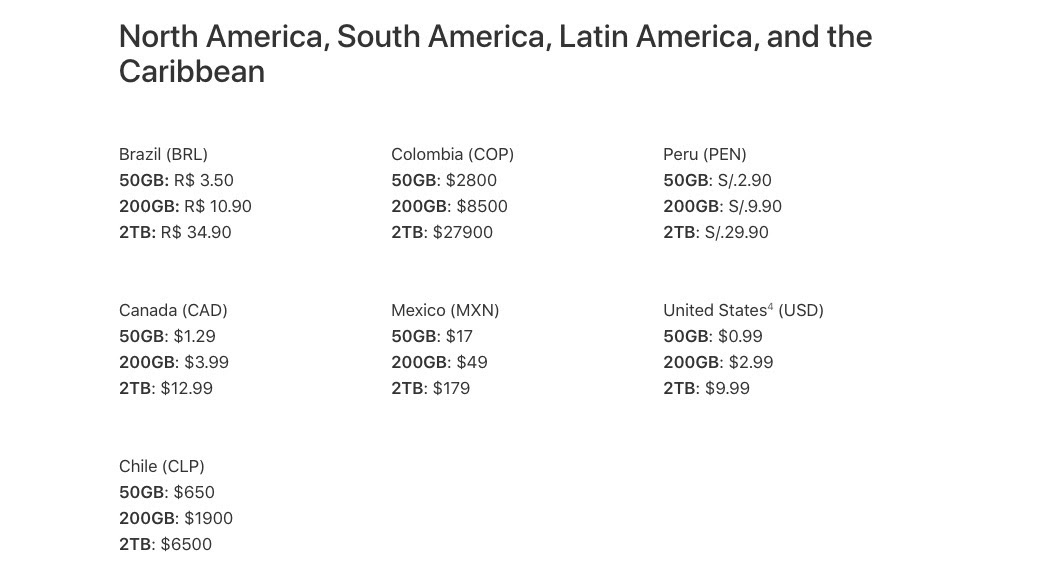
We'd advise those first trying iCloud to use the cheapest plan viable ($0.99 a month) until they run out of information. The majority of users won't necessitate more than 50GB for personal storage of photos, notes and calendar information.
We recommend that you only upgrade your iCloud plan to the 200GB ($2.99 a month) or 2TB ($9.99 a month) plans when you're notified by Apple that you motivation many data: as soon as you purchase a program, your cloud storage updates automatically.
Step 2: Choose the content you desire to sync

iCloud is automatically enabled happening Macintosh devices. Once you've signed into your account, head to "System Preferences" (from your desktop, cell or iPad) and decide what content/information you want to save on the cloud.
When you've what you want to synchronize, content including messages, photos, medicine downloads, voice notes, notes, calendar appointments and emails will automatically synchronize across devices. iCloud will merely quietly run in the background after these two stairs.
Corrupt storage solutions: Drumhead
Among all cloud store solutions, Dropbox best integrates with other applications, including Google Workspace and Microsoft 365. Google Aim and Microsoft OneDrive are both attempting to be total suites for occupation users, all-encompassing communications and workflow management in increase to data storage.
If you want a complete business concern suite, whether you prefer Google Drive or Microsoft Office is knock down to personal penchant, as their capabilities are equal. iCloud is almost essential for a modern Mackintosh user and protects data loss in instances where devices are marred or broken in. However, its inability to work with other operating systems is its fatal flaw.
Further reading on cloud up storage
Read our reviews of the services mentioned therein lineament, including our Dropbox review and our Dropbox Business critique; our OneDrive review and our OneDrive for Business review; our Google Drive review, and our iCloud review.
How to use Dropbox, OneDrive, Google Drive, or iCloud
Source: https://www.tomsguide.com/how-to/how-to-use-dropbox-onedrive-google-drive-or-icloud

Posting Komentar untuk "How to use Dropbox, OneDrive, Google Drive, or iCloud"